

How to Store Seasonal Clothes Efficiently for a Clutter-Free Home
cyrojii.pro >> Organization>>Storage>> How to Store Seasonal Clothes Efficiently for a Clutter-Free Home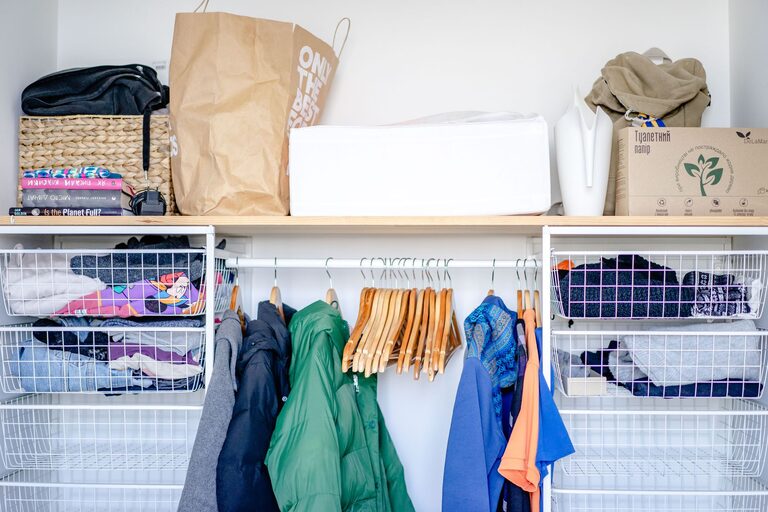
How to Store Seasonal Clothes Efficiently for a Clutter-Free Home
Storing seasonal clothes efficiently is key to maintaining an organized home and protecting your garments from damage during off-seasons. Whether it’s bulky winter coats or light summer dresses, having a smart system in place can save space, preserve your clothes, and make switching seasons hassle-free.
In this guide, we’ll explore practical steps to organize, clean, and store your seasonal wardrobe so it stays fresh and accessible whenever you need it.
Why Store Seasonal Clothes Efficiently?
Seasonal wardrobe storage benefits you in several ways:
– Saves space: Removing out-of-season clothes frees up closet room for the items you wear daily.
– Protects clothes: Proper storage prevents dust, moisture, and pests from damaging fabrics.
– Simplifies dressing: An organized wardrobe makes it easier to find what you want without digging through piles.
– Extends clothing life: Storing clothes correctly helps maintain their shape and condition over time.
Step 1: Sort and Declutter
Before storing, take time to sort through your clothes:
– Assess condition: Check for stains, tears, or wear. Repair or clean items as needed.
– Evaluate use: Decide what you truly want to keep, donate, or discard. If you haven’t worn something in a year, consider letting it go.
– Separate by type: Group clothes by category (e.g., sweaters, jackets, dresses) to store them properly.
Step 2: Clean Clothes Thoroughly
Never store clothes dirty, as oils, sweat, and debris can attract insects or cause stains:
– Wash or dry clean: Follow the care label instructions to clean all items before storage.
– Ensure complete drying: Clothes must be fully dry to prevent mold or mildew.
– Spot treat stains: Address any stubborn marks so they don’t set in.
Step 3: Choose the Right Storage Containers
The containers you use impact how well your clothes stay preserved:
– Plastic bins with tight lids: Ideal for keeping out moisture and pests.
– Canvas or cotton storage bags: Allow airflow but protect from dust — best for delicate fabrics.
– Vacuum-seal bags: Great for saving space, especially bulky winter coats and sweaters, but avoid over-compressing delicate fabrics.
– Suitcases or under-bed storage: Utilize available space efficiently.
Avoid cardboard boxes as they can attract moisture and pests.
Step 4: Use Suitable Storage Methods
Different types of clothes may require different storage approaches:
Hanging Clothes
– Use sturdy hangers for coats, dresses, and suits.
– Cover garments with breathable garment bags to protect them.
– Store in a cool, dry closet to maintain shape.
Folding Clothes
– Fold sweaters, knitwear, and T-shirts to prevent stretching.
– Use acid-free tissue paper between layers for delicate fabrics.
– Stack neatly inside bins or drawers.
Shoes and Accessories
– Clean and dry shoes thoroughly before storing.
– Use shoe boxes or organizers to keep pairs together.
– Store accessories like scarves or hats in labeled boxes or pouches.
Step 5: Add Protection for Clothes
To keep clothes fresh and pest-free during storage:
– Use cedar blocks or sachets: Natural repellents help deter moths and add a pleasant scent.
– Avoid mothballs: They contain strong chemicals and odors.
– Include silica gel packets: These absorb moisture and reduce humidity.
– Check periodically: Inspect stored clothes every few months for any signs of damage.
Step 6: Label Everything
Labeling containers or bags makes it easy to find items when the season changes:
– Write contents clearly on the outside of bins.
– Consider using photos or inventory lists for large collections.
– Store labels where you can easily see them without opening every container.
Step 7: Store in Optimal Locations
Choose storage spots that are:
– Cool and dry: Avoid basements or attics prone to humidity or temperature swings.
– Away from sunlight: Direct sunlight can fade fabrics over time.
– Accessible: Make sure you can easily reach your storage containers when needed.
Bonus Tips for Seasonal Closet Swaps
– Plan your seasonal swap day in advance.
– Clean your closet space before bringing in fresh clothes.
– Rotate items by placing those you wore most recently at the back and fresh items in front.
– Use slim, matching hangers to save space and create a tidy look.
—
By following these simple, practical steps, you can keep your seasonal clothes organized, protected, and ready for use year after year. Efficient storage not only saves space but also preserves the quality of your wardrobe, making the transition between seasons smooth and stress-free. Happy organizing!
Related Post