
How to Start a Gratitude Journal: A Simple Guide for Beginners
cyrojii.pro >> Gratitude>>Journaling>> How to Start a Gratitude Journal: A Simple Guide for Beginners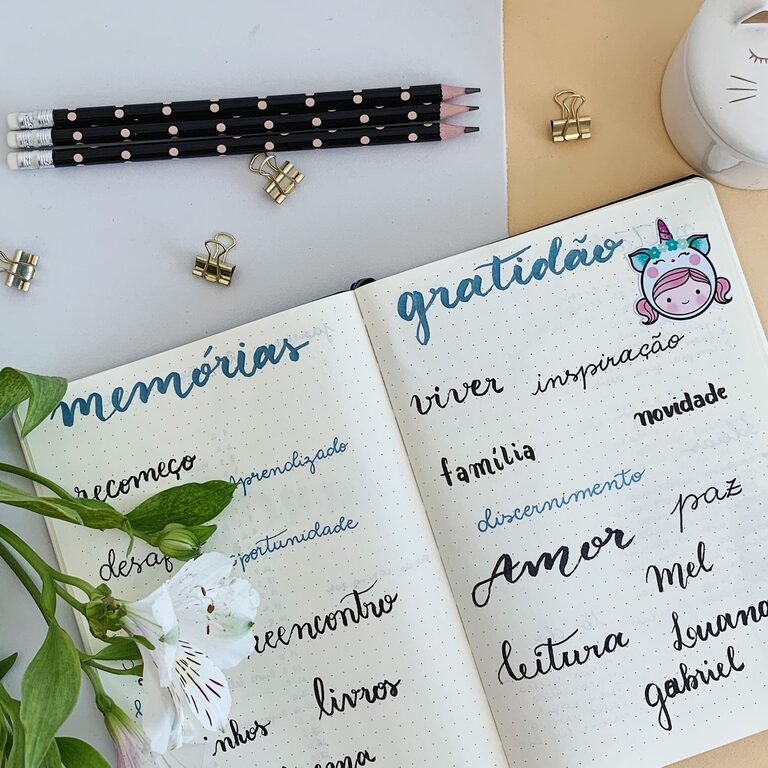
How to Start a Gratitude Journal: A Simple Guide for Beginners
Starting a gratitude journal is a wonderful way to cultivate positivity and mindfulness in your daily life. By regularly writing down things you appreciate, you can shift your focus from stress and negativity to the good around you. If you’ve been considering beginning a gratitude journal but aren’t sure where to start, this guide will walk you through everything you need to know.
What Is a Gratitude Journal?
A gratitude journal is a personal diary or notebook where you record things you’re thankful for. These can be simple moments, experiences, people, or even things you often take for granted. The practice encourages you to notice and appreciate everyday joys, helping improve your mood and overall well-being.
Why Keep a Gratitude Journal?
The benefits of keeping a gratitude journal include:
– Enhanced positivity: Regularly focusing on gratitude helps foster a positive outlook.
– Reduced stress: Reflecting on good moments can lower stress levels.
– Better sleep: Some studies show gratitude journaling before bed improves sleep quality.
– Stronger relationships: Recognizing people who support you can deepen connections.
– Increased mindfulness: It encourages you to be present and notice details of your life.
Choosing Your Journal
Before you begin, pick a journal that feels inviting to you. This could be:
– A traditional notebook or diary — plain or decorative
– A guided gratitude journal with prompts
– A digital app or document if you prefer typing
– Even loose sheets you compile in a folder
Choosing a format you enjoy will make it easier to keep the habit going.
Setting Up Your Gratitude Journal
Here’s how to get started with your gratitude journaling practice.
1. Decide on a Regular Time
Consistency helps build any habit. Choose a time that works for you—morning, evening, or any quiet moment. Many people find writing before bed beneficial, as it helps end the day on a positive note.
2. Keep It Simple
Start with writing 3 to 5 things you are grateful for each day. They don’t have to be big or profound—small, everyday moments count too.
Examples include:
– A delicious cup of coffee
– A kind word from a coworker
– Sunshine during your walk
– A comfortable bed to sleep in
– A favorite song playing on the radio
3. Be Specific and Personal
Rather than writing generic statements like “I am grateful for my friends,” try to be more detailed: “I’m grateful for the fun lunch with Sarah today that made me laugh.” Specific entries help you connect more deeply with your feelings.
4. Mix It Up
Variety keeps journaling from feeling repetitive. You might:
– Write about people, places, experiences, or qualities you appreciate.
– Include positive memories or hopes for the future.
– Reflect on challenges you’ve overcome.
– Describe how grateful moments made you feel physically.
5. Use Prompts If You Get Stuck
Some days, you might not know what to write. Here are a few prompts to help:
– What made you smile today?
– Name something beautiful you saw recently.
– What’s a personal strength you are thankful for?
– Who in your life inspires you?
– What’s a simple pleasure you enjoyed today?
Tips to Maintain Your Gratitude Journal Habit
Maintaining your gratitude journal over time can be joyful and rewarding with these handy tips:
– Set a reminder: Use phone alarms or calendar events.
– Keep your journal visible: Place it on your nightstand or desk.
– Pair it with another habit: Write your gratitude journal right after brushing your teeth or during your morning coffee.
– Celebrate progress: Review past entries monthly to see how much you’ve accumulated.
– Share with others: Occasionally share something from your journal with a friend or family member to connect over gratitude.
What to Avoid When Starting Your Gratitude Journal
– Don’t stress about perfection: There’s no right or wrong way to journal gratitude.
– Avoid negative comparisons: Your journal is personal; focus only on your own experiences.
– Don’t force it: If you miss a day, simply start fresh the next day.
– Avoid overly complicated rules: Keep it simple to encourage regular use.
Final Thoughts
Starting a gratitude journal is a straightforward but powerful way to bring more joy and mindfulness into your life. By regularly acknowledging the positive, you invite a sense of calm and appreciation that can help carry you through challenging moments. Remember, the best gratitude journal is one that fits your style and feels meaningful to you—whether it’s a few words on a busy day or longer reflections on special occasions.
So grab a notebook, find a cozy spot, and begin your gratitude journaling journey today. You might be surprised at how a small daily habit can brighten your outlook and enrich your life. Happy journaling!